Audience Targeting Guide
How Audience Targeting Works in Programmatic Advertising

In the early days of digital advertising, brands bought advertising based on content. If you wanted to reach fitness enthusiasts, you bought a banner on a health website. If you wanted to reach car buyers, you bought space on an automotive blog. This is known as contextual targeting. While still relevant today, modern programmatic advertising has introduced a more powerful method: Audience Targeting.
Audience targeting shifts the focus from where the ad appears to who is seeing it. Instead of buying the "Fitness Website," you are buying the "Active Gym-Goer," regardless of whether they are reading the news, playing a game, or checking the weather. In this guide, we’ll explore how this works and why it’s the backbone of digital marketing success.
What is Audience Targeting?
Audience targeting is the process of using data to group users into segments based on their interests, demographics, intent, or past behaviors. When an advertiser runs a programmatic campaign, they can tell their Demand-Side Platform (DSP) to only bid on ad impressions when the person viewing the page matches a specific audience profile.
The Three Main Types of Data
Targeting relies on data, which is generally categorized into three types:
- 1st-Party Data: Your own data. This is information you collect directly from your customers or website visitors (e.g., email lists, website behaviors, purchase history). It is the most valuable and accurate data you have.
- 2nd-Party Data: Essentially someone else’s 1st-party data purchased or shared through a partnership. For example, an airline might share its traveler data with a hotel chain.
- 3rd-Party Data: Data collected and sold by large data aggregators (like Oracle or Nielsen). This data is gathered across thousands of websites and apps to build broad profiles (e.g., "Frequent Travelers," "Outdoor Enthusiasts").
How Target Profiles are Built
How does the internet know who you are? It uses multiple signals to build a "digital blueprint" of your interests:
- Browsing History: The types of websites and articles you consume.
- Search Intent: Products or solutions you have recently searched for.
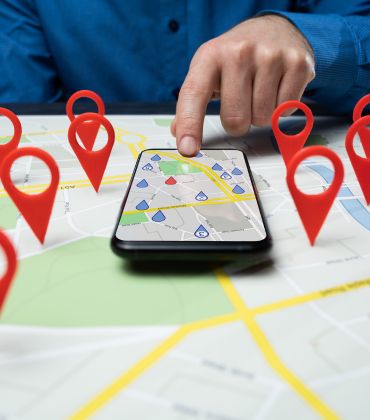
- Location Data: Where you are (geographical targeting) or where you go (point-of-interest targeting).
- App Usage: The types of mobile apps you use frequently.
Targeting Strategies for Success
1. Lookalike Targeting
Once you have a list of your best customers (1st-party data), you can use it to find "Lookalikes"—new people who share similar behaviors and traits as your existing customers. This is one of the most effective ways to scale a campaign.
2. Behavioral Retargeting
We’ve all experienced it: you look at a pair of shoes online, and then an ad for those shoes follows you everywhere. This is retargeting. It reach users who have already shown interest in your brand but haven’t converted yet.
3. Contextual + Audience (The Hybrid Approach)
The most powerful campaigns combine both. You target "In-Market Car Buyers" (Audience) specifically while they are on "Automotive Review Sites" (Contextual). This ensures the user is in the right mindset to receive your message.
Privacy and the Future
With the phasing out of third-party cookies, audience targeting is evolving. At Iwavedigital, we are leading the way with privacy-first solutions including Cohort-based targeting, advanced Contextual engines, and helping brands maximize their own 1st-party data strategies.
By moving beyond "where" and focusing on "who," programmatic advertising becomes a precision tool rather than a blunt instrument. Audience targeting ensures that your message uniquely resonates with the person on the other side of the screen, driving efficiency and building a stronger connection between brand and consumer.
Conclusion
Audience targeting is about relevance. By showing the right ad to the right person, advertisers waste less money, and consumers see more relevant content. It’s a win-win that continues to drive the innovation of the programmatic world.